

That Reversal Changed Where Reliability Lives, and Who Owns the Problem When Calls Go Bad.
Why the Phone System Gets Blamed
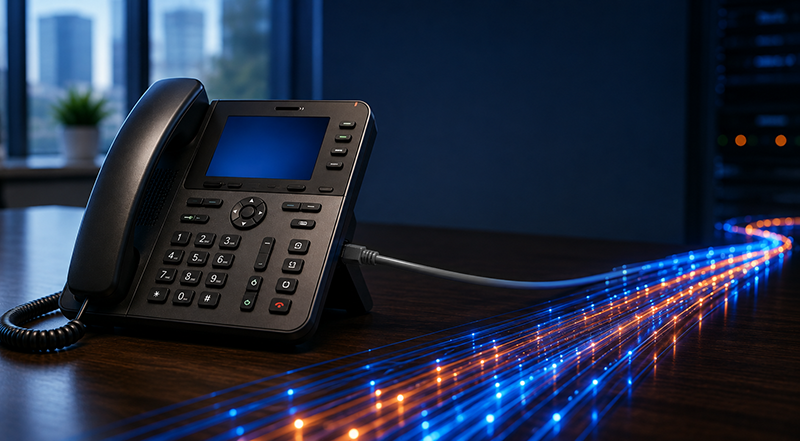
Anyone who remembers the sound of a dial-up modem has seen this relationship in reverse. We once forced data across a network built for phone calls. Today, phone calls travel as data across the same network carrying email, cloud applications, video meetings, and nearly everything else a business uses.
The app changed. The physics did not.
Voice still has to let two people hear each other clearly and in real time. That real-time requirement makes it unusually good at exposing a weak network. An email can arrive a second late without anyone noticing. On a phone call, latency creates awkward pauses. Jitter produces clipped or robotic audio. Packet loss makes words disappear.
That’s why replacing the phone system doesn’t always fix the phones.
The Phone System May Not Be the Problem
When call quality slips, the natural response is to shop for a new voice platform. It’s the part of the system people can see, so it gets the blame. A business replaces the phones, migrates the users and retrains the team. Six months later, everyone is listening to the same garbled calls at 3 p.m.
The platform was never going to solve an oversubscribed circuit, an unmanaged network, or a provider with visibility into only one piece of the problem.
For years, voice managers worried about aging PBXs, unsupported software releases, and finding replacement hardware when something broke. Those concerns haven’t disappeared. But as voice has moved into software and the cloud, another dependency has become easier to overlook: the network carrying every call.
Most business voice features are now widely available. Many providers can offer the same mobile app, voicemail, call routing, and administrative tools.
The more important questions are less exciting:

- Who owns the network?
- Who monitors the full path?
- What happens when the primary connection fails?
- Who has the authority to fix the whole problem?
A provider can deliver voice over a network it doesn’t own. What matters is how much of the service path it can see, manage, and take responsibility for.
Who Can See the Whole Picture?
Most carriers still sell voice. The better question is how much operational visibility and support sit behind the offer. The person handling the voice ticket may be able to see the application but not the network carrying the call. The access provider may see the circuit but not the voice service riding on it.
Medium-sized businesses are likely to be the first to feel the discomfort of these separate troubleshooting responsibilities.
When something goes wrong, each provider checks its own piece. If the dashboard is green, the ticket moves somewhere else. Meanwhile, your customers aren’t getting through while multiple vendors agree the problem must belong to someone other than them. The technical issue may be brief. Resolving it takes longer when responsibility is split across providers.
One Throat to Choke
Many bundled offers combine services from several vendors under one contract or invoice. Internet comes from one provider. Voice comes from another. SD-WAN comes from a third. The arrangement looks consolidated until something breaks.
Then the voice provider says it is a network issue. The internet provider runs a test, sees that the circuit is up and points back at the voice provider. Your team is left coordinating companies that may never have designed or tested the environment together.
A true single-provider model has benefits beyond simplified billing. Its real value comes through when one company can see and answer for the whole path. A bundle combines services, but accountability connects the layers.
One Provider Should Not Mean One Point of Failure
There’s a reasonable objection to putting voice and internet with the same company: Could one outage take out everything?
Yes, if the provider treats consolidation as a substitute for resilience.
Reliable business voice and internet require planned failure. That means a primary fiber connection, a secondary or wireless path, and a network configured to reroute voice traffic when the primary connection drops. If the transition works as designed, the phones can remain connected or reconnect after traffic moves to the backup path. It also means one team monitoring the environment instead of several vendors waiting for someone else to act.
Three logos on an invoice do not create redundancy. A deliberately designed backup path does.
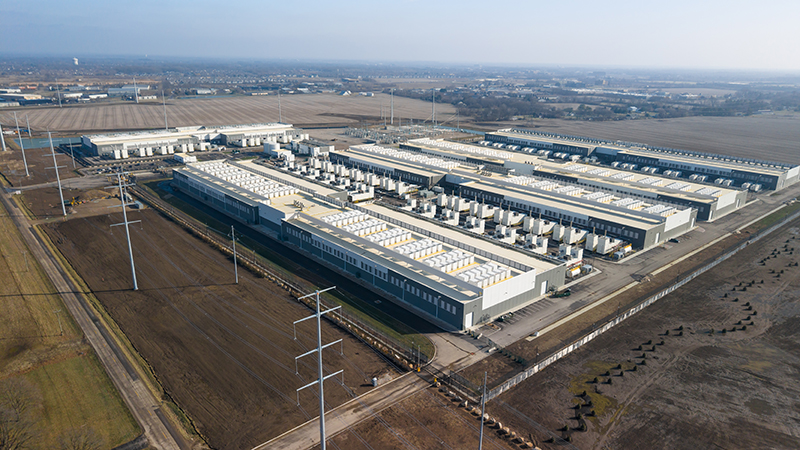
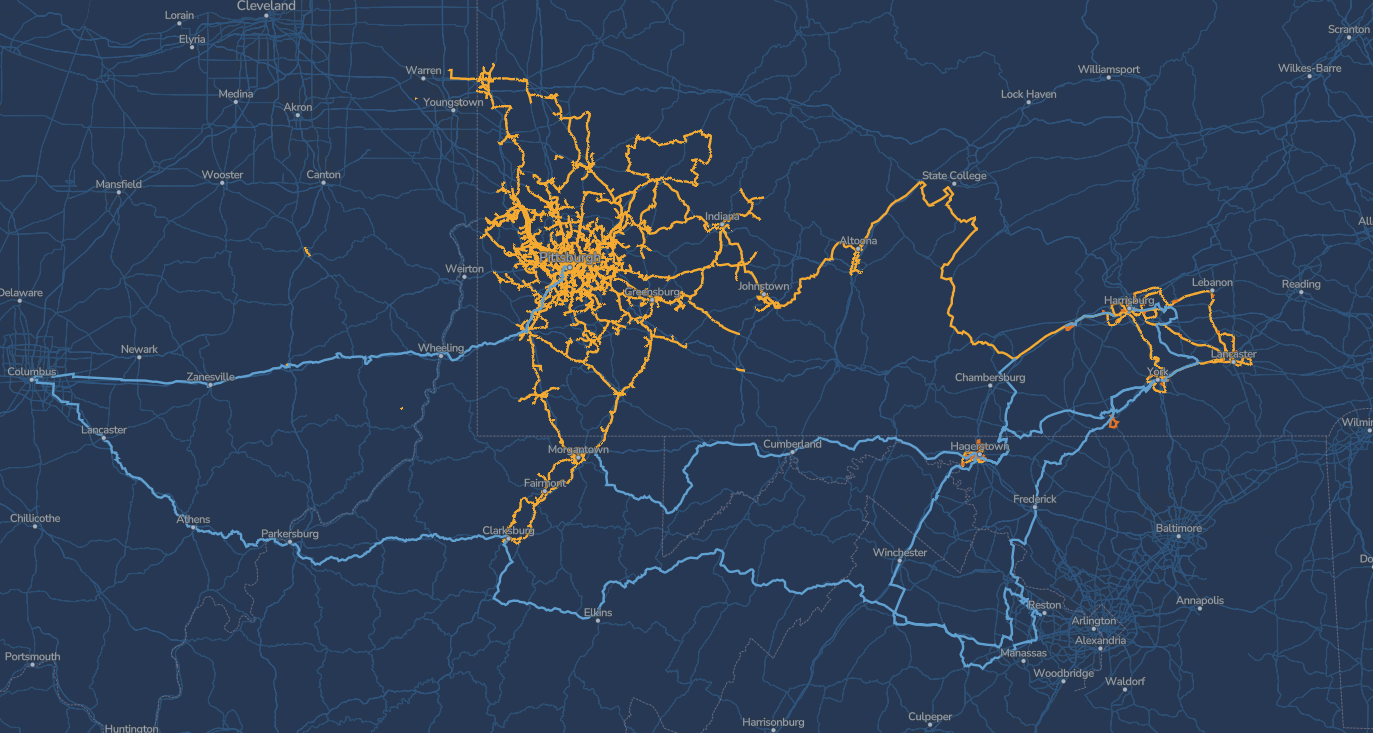
In the markets where DQE builds and operates, DQE owns the fiber network carrying customer traffic. Its local NOC and support teams can see across the environment instead of troubleshooting one isolated service.
No regional provider owns every mile of fiber everywhere. But where DQE owns and operates the network, it controls the part of the experience where call reliability is won or lost.
Convenience is an obvious advantage, but being able to find and fix the problem is the real win. The time to map that service path is before a renewal or an outage, not while customers are already reaching dead air or voicemail.

Three questions before you sign
Whether you’re replacing a voice provider or evaluating one for the first time, these three questions cut through most sales presentations:
| Ask | What You’re Really Evaluating |
| 1. Who owns the service path? | Which parts of the voice service path does the provider own or manage, and which depend on another provider? |
| 2. What happens when the connection fails? | How is voice traffic moved to a backup path, and has that failover actually been tested? |
| 3. Who owns the problem when something breaks? | When something breaks late on a Friday, who answers, and what parts of the environment can they actually see? |
Listen carefully to what happens next.
A credible provider should be able to explain what it owns, what it manages, where its visibility ends, and how problems are escalated across the full service path.
Your phones are easy to ignore until the moment they stop working. Before you replace another platform or renew another bundle, look at what the service runs on, how failover is designed, and who is responsible for the full path.
Carriers used to send data over a network built for voice. Now voice depends on the network carrying everything else. The relationship may have changed, but the lesson is still simple: call quality is only as reliable as the network underneath it and the provider accountable for keeping it running.
DQE can help map your current voice and internet environment, identify where accountability splits, and show what happens when the primary connection fails. That’s a useful exercise even when the answer is to keep what you already have.
FAQ
Call quality depends on both the voice platform and the network carrying the calls. If the underlying circuit is congested, unstable, or poorly managed, replacing the phone system may not solve the problem. Check the network conditions and service path before assuming the platform is at fault.
It can be the more reliable choice when the provider owns or manages the network path, designs and tests redundancy, and takes responsibility for the full service. The key is understanding what happens when connectivity fails and who owns the recovery.
VoIP phones lose service when they lose network connectivity. If the network reroutes voice traffic over a secondary connection, the phones can remain connected or reconnect after the transition. Calls already in progress may still be interrupted, depending on the failover design.
Often, no. Many bundles combine services from several vendors on one invoice. A well-integrated single-provider model is not valuable simply because it consolidates billing. It is valuable when one company can see and answer for the whole path.
Ask which parts of the service path the provider owns or manages, how voice traffic moves to a backup path, and who owns the diagnosis when something breaks. The answers reveal how much visibility, control, and accountability sit behind the service.